Benefits of Leadership-Based Education for Students
 July 1, 2026
Overview
Leadership is one of those qualities that shapes every aspect of a person’s life, how they handle pressure, how they work with others, how they make decisions, and how they respond when things don’t go as planned. Yet most schools treat leadership as an extracurricular bonus rather than a core educational priority. This blog explores why leadership skills for students matter deeply, what the benefits of leadership development look like in real life, and how institutions, including boarding schools in Bulandshahr, are building leadership into the fabric of daily school life rather than leaving it to chance.
Table of Contents
Introduction
Think about the most capable people you know, the ones who navigate challenges well, communicate clearly, bring out the best in those around them, and keep growing regardless of what life throws at them. What sets them apart isn’t just intelligence or technical knowledge. It’s leadership, a combination of self-awareness, emotional maturity, communication ability, and the confidence to take initiative when it matters.
These aren’t qualities people are simply born with. They are developed through experience, reflection, challenge, and the right environment. And the earlier that development begins, the more deeply it shapes who a person becomes.
That’s the core argument for leadership-based education: schools that deliberately build leadership qualities for students don’t just produce better students, they produce better-prepared human beings.
Leadership Is a Skill Every Student Can Learn: Not a Trait Reserved for a Few
The most common misconception about leadership in schools is that it’s only relevant for students who are naturally outgoing, confident, or academically exceptional. This belief causes many schools to invest in leadership development only for their top performers, leaving the majority of students without experiences that could meaningfully change their futures.
Leadership qualities for students are not personality traits reserved for a select few. They are learnable skills that every student can develop, given the right opportunities. Empathy, active listening, problem-solving, decision-making, and accountability are all teachable, and all form part of what genuine leadership skills for students’ development look like in practice.
The importance of leadership in education lies in this universality. When leadership is treated as a core goal rather than a bonus for high achievers, every student benefits, regardless of where they start.
The Leadership Qualities Every Student Should Develop
Effective leadership-based education focuses on a connected set of qualities that reinforce each other over time.
-
1. Self-Awareness and Emotional Intelligence
Understanding yourself, your strengths, blind spots, and how you respond under pressure is the foundation of effective leadership. Students who develop self-awareness make better decisions, handle feedback more constructively, and build stronger relationships throughout their lives.
-
2. Communication and Confidence
Being able to express ideas clearly, in writing, conversation, and in front of groups, is one of the most practically valuable leadership qualities for students. Strong communicators navigate social environments more confidently, perform better in interviews, and build trust more easily in professional settings.
-
3. Decision-Making and Accountability
Real leadership involves making decisions under pressure and owning the outcomes, both good and bad. Students who practice this through structured leadership skills activities develop the judgment and composure that distinguish effective leaders from capable followers. Taking ownership without deflecting blame shapes professional reputation and personal integrity simultaneously.
-
4. Empathy and Collaborative Thinking
The best leaders succeed not by dominating others but by understanding them and creating conditions where people work together well. Developing empathy alongside individual capability is what separates truly effective leadership skills for students’ programs from those that simply build assertiveness.
What Leadership Skills Actually Do for Students Beyond the Classroom
The benefits of leadership skills extend well beyond school life, they shape academic performance, career outcomes, mental health, and the quality of relationships throughout a person’s life.
-
Better Academic Performance
Students who develop leadership qualities tend to perform better academically because leadership builds the underlying habits that support learning, self-discipline, goal-setting, time management, and the ability to persist through difficulty. Leadership involvement and stronger academic outcomes are consistently linked across research in education.
-
Greater Resilience and Adaptability
Benefits of leadership development include a significantly enhanced capacity to handle setbacks and adapt to new environments. For students navigating the transitions between school, higher education, and professional life, each involving significant adjustment, this resilience is among the most practically valuable things education can provide.
-
Better Career Readiness
Employers consistently identify leadership-related qualities, communication, teamwork, initiative, and problem-solving as the attributes most valued in high-performing employees and most lacking in entry-level candidates. Students who graduate with developed leadership skills are genuinely better prepared for the professional world, not just better qualified on paper.
-
Improved Confidence and Wellbeing
Students who feel a genuine sense of agency, who believe their actions matter and that they can influence outcomes, consistently report better mental health and greater satisfaction with their lives. Leadership development activities build exactly this sense of agency, which is why schools that invest in leadership tend to see improvements in student wellbeing alongside academic outcomes.
Leadership Development Activities That Build Real Capability
Leadership development activities are most effective when embedded in daily school life rather than confined to occasional workshops. Here’s what genuinely impactful leadership development looks like:
-
1. Student Council and House Responsibilities
Giving students real responsibility through elected councils, house captains, and prefect roles develops accountability and decision-making in contexts where the outcomes are visible and the stakes are real.
-
2. Community Service and Social Projects
Engaging students in projects that address real community needs develops empathy, initiative, and the satisfaction of contributing to something larger than themselves, providing powerful leadership examples for students that stay with them long after school ends.
-
3. Debate, Public Speaking, and Group Challenges
Structured formats requiring students to research positions, form arguments, and defend them in front of others develop communication confidence and analytical thinking, both core leadership skills with lasting impact.
-
4. Sports and Team Challenges
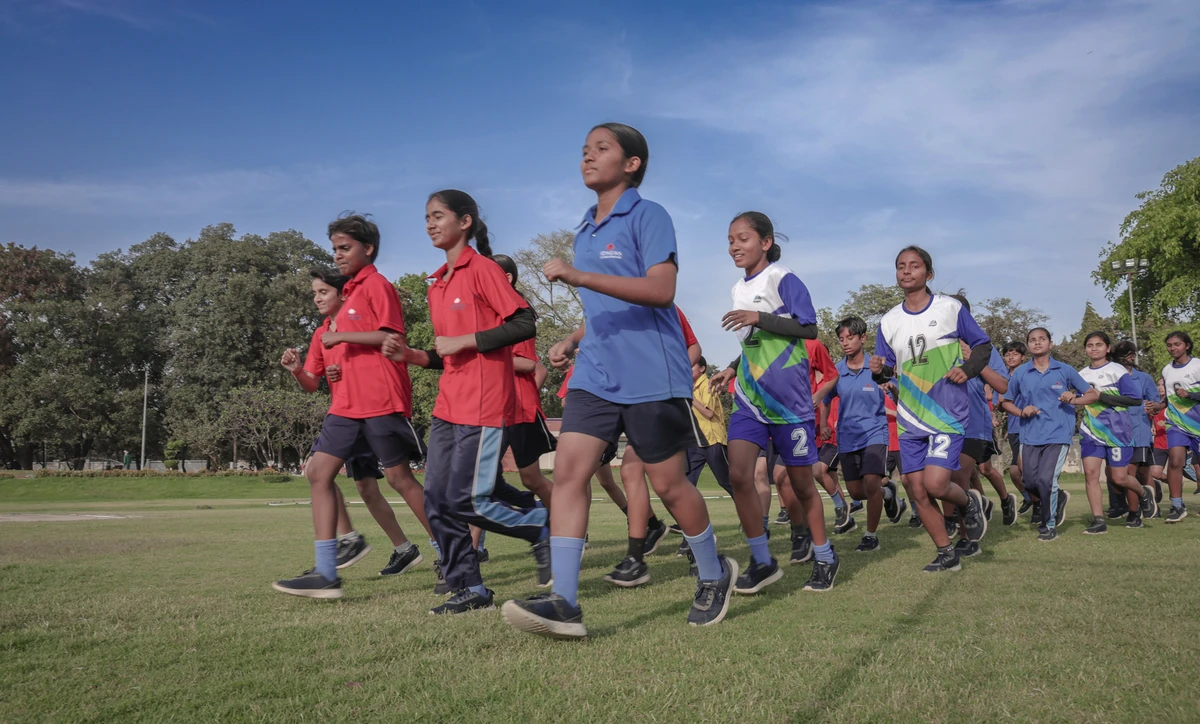
Team sport develops leadership qualities that classrooms cannot: managing pressure, recovering from setbacks quickly, leading and following within a group, and understanding how individual behaviour affects collective outcomes.
-
5. Peer Mentorship Programmes
Older students mentoring younger ones benefits both. Mentors develop communication and responsibility; mentees receive guidance from people closer to their own experience. Peer leadership is among the most cost-effective and impactful leadership skills activities available to any school.
VidyaGyan: Where Leadership Meets Rural Potential
As one of the most purposeful boarding schools in Bulandshahr and the surrounding areas, VidyaGyan goes far beyond academic preparation. Students participate in structured leadership development activities, community service, public speaking, sport, and peer mentorship programmes that develop the full range of leadership qualities for students, not just the ones that show up on examination results.
What makes VidyaGyan’s approach particularly meaningful is the context in which it operates. Many students arrive having never had a platform to speak publicly, lead a group, or develop a sense of personal ambition beyond what their immediate environment suggested was possible. The school systematically changes that, building the confidence, communication skills, and leadership capability that allow rural students to compete and succeed in environments far beyond their villages.
VidyaGyan alumni demonstrate the benefits of leadership skills in the clearest possible way, through careers, contributions, and capabilities that reflect not just what they learned academically but who they became through a genuinely leadership-focused education.
Final Thoughts
The benefits of leadership development for students are practical, measurable, and lasting. Students who develop genuine leadership skills perform better academically, navigate transitions more confidently, build more satisfying careers, and contribute more meaningfully to the people around them.
The importance of education leadership is ultimately an argument about what school is actually for. If the goal is simply to produce students who pass examinations, leadership development is optional. But if the goal is to produce young people genuinely prepared for the complexity and opportunity of adult life, leadership qualities for students are not optional at all. They are essential. And institutions like VidyaGyan are proving, one student at a time, exactly what becomes possible when that belief is put into genuine practice.
FAQs
At what age should leadership development begin for students?
Leadership development is most effective when it begins early, ideally from primary school. Simple activities like group decision-making, classroom responsibilities, and collaborative projects at young ages build foundational qualities that become significantly easier to develop further during secondary school years.
How do boarding schools develop leadership skills differently from day schools?
Boarding schools create continuous leadership development conditions that day schools cannot replicate. Students manage shared living spaces, navigate peer relationships around the clock, and hold house responsibilities daily, producing real accountability and communication practice that occasional classroom activities simply cannot match in depth or consistency.
Can introverted students benefit from leadership development programs?
Absolutely, and often more significantly than extroverted students. Leadership development builds self-awareness, communication confidence, and decision-making capability regardless of personality type. Many of the world’s most effective leaders are introverts. The right program develops each student’s individual leadership style rather than imposing a single extroverted template.
How can parents support leadership development outside of school?
Parents support leadership development most effectively by giving children age-appropriate responsibilities at home, encouraging them to voice opinions and make decisions, exposing them to diverse social situations, and resisting the urge to solve every problem for them. Allowing children to navigate manageable challenges independently builds genuine leadership capability progressively.
How does leadership education specifically benefit students from rural backgrounds?
Rural students often arrive at competitive environments, universities, cities, and professional workplaces with strong academic foundations but limited confidence and communication experience. Leadership education directly addresses this gap, building the self-belief, articulation, and social capability that allow rural students to compete and contribute effectively in any environment they enter.