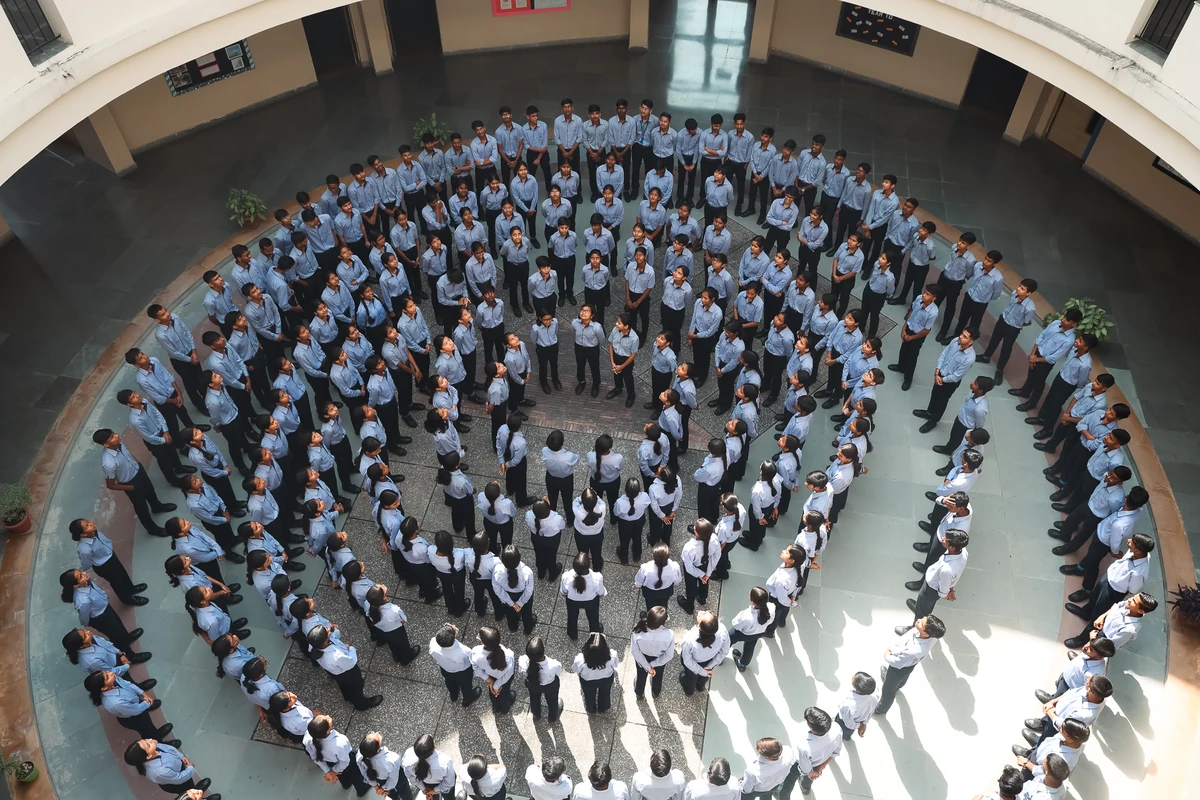
Importance of Holistic Education for Students from Rural Communities
 July 1, 2026
Overview
Education today is expected to do much more than help students achieve strong academic results. It should nurture confidence, character, leadership, critical thinking, and a sense of purpose. For students from rural communities, access to a learning environment that supports all aspects of development can play a transformative role in shaping future opportunities and aspirations. This is where holistic education becomes especially valuable. By focusing on intellectual, emotional, social, physical, and creative growth, holistic education helps students discover their potential and develop the skills needed to contribute meaningfully to society. This blog explores the importance of holistic education and how institutions like VidyaGyan are nurturing future leaders through a well-rounded learning experience.
Table of Contents
Introduction
Every child possesses unique talents and the potential to achieve remarkable things when provided with the right environment, guidance, and opportunities. While academic excellence remains an important part of education, preparing students for the future requires a broader approach that supports personal growth, leadership development, emotional well-being, and social awareness.
For students growing up in rural communities, education can be a powerful platform for discovering strengths, building confidence, and expanding aspirations. A holistic approach ensures that learning extends beyond textbooks and examinations, enabling students to develop the knowledge, values, and life skills needed to thrive in higher education, professional careers, and community leadership roles.
This is why holistic education has become increasingly important. It nurtures not only successful learners but also responsible citizens, confident communicators, and future changemakers.
Understanding Holistic Education
Holistic education is an approach that focuses on the overall development of a student rather than academic performance alone. It recognises that meaningful learning takes place when intellectual growth is supported by emotional, social, physical, and creative development.
In a holistic learning environment, students are encouraged to:
- Think independently and ask meaningful questions
- Build confidence in expressing ideas
- Develop collaboration and teamwork skills
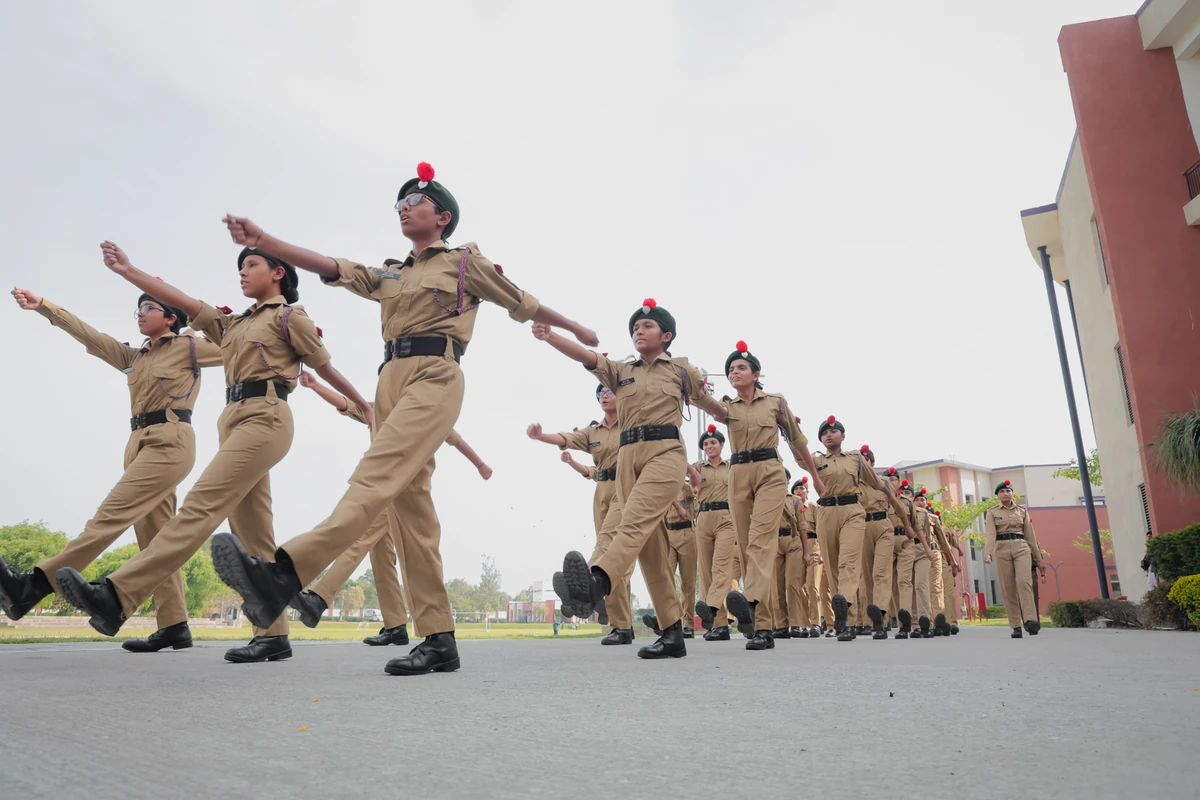
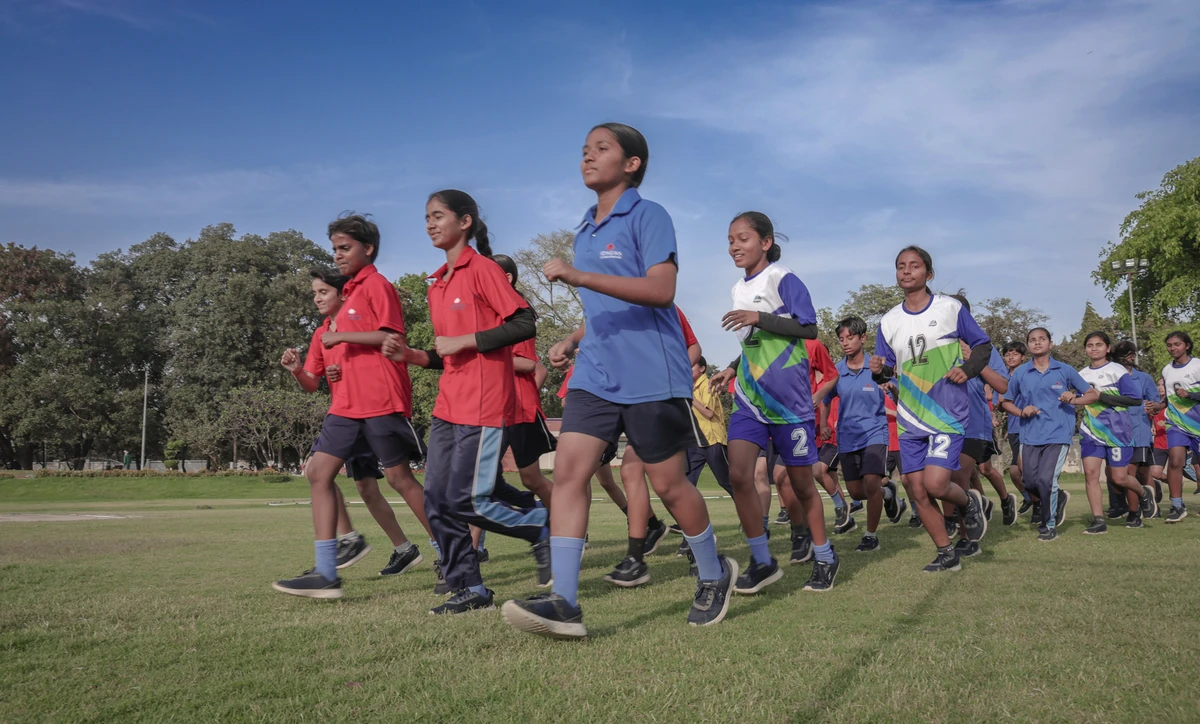
- Participate in sports, arts, and cultural activities
- Explore leadership opportunities
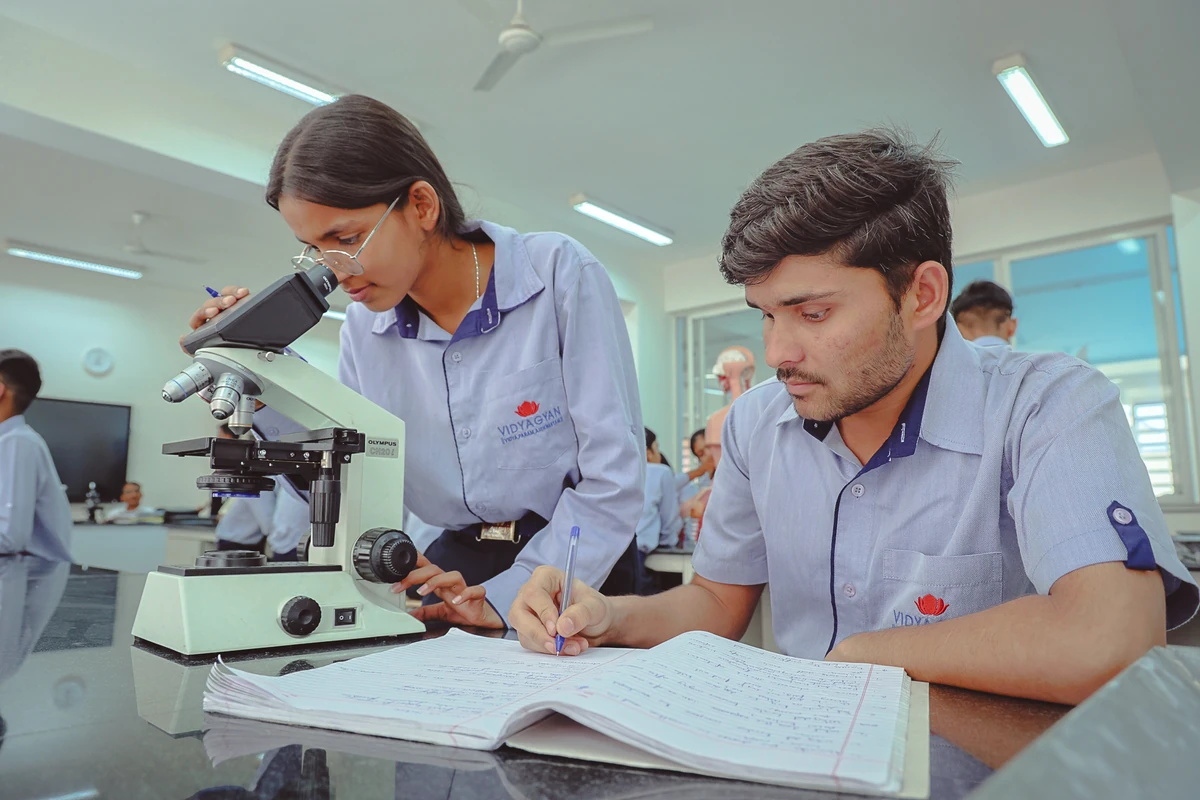
- Apply classroom learning to real-world situations
The goal is to help students become well-rounded individuals who are prepared not only for examinations but also for life.
Why Holistic Education Matters?
-
Building Confidence and Self-Belief
Confidence is often the foundation upon which future success is built. Holistic education creates opportunities for students to participate in debates, presentations, competitions, cultural activities, and leadership programmes that help them develop self-assurance and communication skills.
When students learn to express themselves confidently, they become more willing to explore new opportunities and take on greater responsibilities.
-
Developing Leadership Skills
Leadership is not simply about holding positions of responsibility. It is about initiative, accountability, empathy, and the ability to inspire others.
A holistic educational environment nurtures leadership through:
- Student councils and leadership roles
- Community service initiatives
- Team-based projects
- Mentorship opportunities
- Collaborative learning experiences
These experiences help students understand the value of responsibility and service.
-
Encouraging Critical Thinking and Problem-Solving
Future success depends increasingly on the ability to analyse information, solve problems, and make informed decisions.
Holistic education promotes these skills by encouraging:
- Inquiry-based learning
- Creative thinking
- Research and exploration
- Discussion and debate
- Practical application of concepts
Students learn how to think rather than simply what to think.
-
The Role of a Holistic Curriculum
A holistic curriculum combines strong academics with opportunities for personal and social development.
Key elements often include:
- Academic excellence across core subjects
- Sports and physical education
- Arts, music, and creative expression
- Leadership development programs
- Community engagement initiatives
- Life skills and values education
Such a curriculum ensures that students receive a balanced education that prepares them for multiple dimensions of life.
The Five Dimensions of Holistic Development
-
Intellectual Development
Students are encouraged to develop curiosity, analytical thinking, and a lifelong love for learning. Intellectual growth extends beyond examination preparation and focuses on building a deeper understanding and independent thought.
-
Emotional Development
Understanding emotions, developing resilience, and managing challenges effectively are essential life skills. Emotional development helps students build self-awareness and confidence.
-
Social Development
Students learn to collaborate, communicate, and work effectively with others. These experiences strengthen interpersonal skills and foster respect for diverse perspectives.
-
Physical Development
Participation in sports and physical activities promotes discipline, teamwork, health, and perseverance while contributing to overall well-being.
-
Creative Development
Creative pursuits such as art, music, theatre, and innovation encourage imagination, self-expression, and original thinking.
How Holistic Learning Shapes Future Leaders?
Students who experience holistic learning often develop qualities that extend far beyond academic achievement.
These include:
-
Greater Self-Confidence
Holistic education provides students with opportunities to participate in public speaking, leadership activities, competitions, sports, and creative pursuits. These experiences help them recognise their strengths, overcome hesitation, and develop the confidence to express ideas, take initiative, and face new challenges positively.
-
Stronger Communication Abilities
Regular participation in discussions, presentations, collaborative projects, and extracurricular activities helps students become effective communicators. They learn to listen actively, articulate their thoughts clearly, adapt their communication style to different audiences, and build meaningful relationships in academic and professional settings.
-
Improved Adaptability
In a rapidly changing world, adaptability is an essential skill. Holistic learning exposes students to diverse experiences, new perspectives, and unfamiliar situations, helping them become more flexible, open-minded, and capable of adjusting to changing environments, expectations, and future opportunities.
-
Enhanced Leadership Potential
Leadership development is nurtured through responsibility, teamwork, decision-making, and community engagement. Students learn how to motivate others, solve problems, manage challenges, and take ownership of their actions. These experiences prepare them to lead with confidence, empathy, and a strong sense of purpose.
-
Better Teamwork and Collaboration Skills
Working on group projects, sports teams, cultural activities, and service initiatives teaches students how to collaborate effectively. They learn to respect different viewpoints, contribute constructively, resolve conflicts, and work towards shared goals, all of which are valuable skills for future success.
-
A Stronger Sense of Social Responsibility
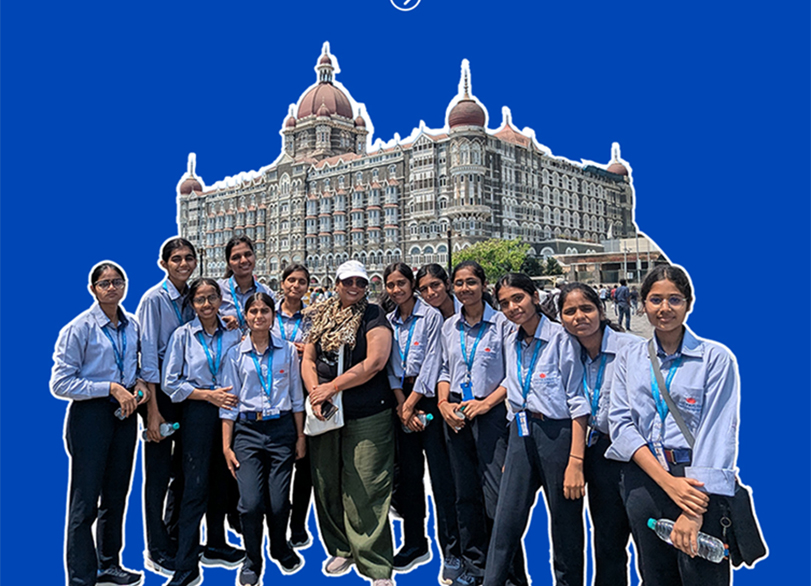
Holistic education encourages students to understand their role within society and contribute positively to their communities. Through service-learning programmes, environmental initiatives, and social awareness activities, students develop empathy, ethical values, and a commitment to making a meaningful difference in the lives of others.
Such qualities can support success in higher education, professional careers, entrepreneurship, and community engagement.
Why Holistic Education Creates Lasting Impact
The benefits of holistic education extend well beyond school years. Students who receive a balanced education are often better equipped to:
- Adapt to new environments
- Communicate effectively
- Lead with confidence
- Build meaningful relationships
- Navigate challenges with resilience
- Contribute positively to society
By nurturing both competence and character, holistic education prepares students to lead fulfilling and impactful lives.
VidyaGyan’s Commitment to Holistic Education
VidyaGyan was established with a vision of identifying and nurturing talented students from rural communities across Uttar Pradesh and providing them with access to an exceptional educational experience.
As a leading CBSE school in Sitapur, VidyaGyan combines academic rigour with a strong emphasis on leadership, character development, community engagement, sports, arts, and personal growth. Our school’s approach reflects the belief that education should empower students to become confident individuals who can make meaningful contributions to society. Through a carefully designed learning environment, students are encouraged to discover their strengths, pursue excellence, and develop a strong sense of purpose.
VidyaGyan’s focus on holistic development helps students build the skills, values, and confidence needed to navigate future opportunities while remaining connected to their communities and committed to positive change.
Final Thoughts
The importance of holistic education lies in its ability to develop the complete potential of every student. Academic excellence remains essential, but true education also nurtures leadership, confidence, creativity, emotional intelligence, and social responsibility.
Institutions like VidyaGyan demonstrate how a thoughtfully designed educational experience can help talented students grow into capable leaders and responsible citizens. By combining academic achievement with personal development and values-based learning, holistic education equips students with the skills, mindset, and purpose needed to succeed in an increasingly dynamic world and create meaningful impact wherever their journeys take them.
FAQs
How can parents identify whether a school truly follows a holistic education approach?
Parents can look beyond academic results and evaluate whether the school offers leadership opportunities, sports, arts, community service, life skills programs, and student well-being initiatives. A genuinely holistic school focuses on developing character, confidence, creativity, and communication skills alongside academic excellence.
Can holistic education help students prepare for competitive examinations?
Yes, Holistic education strengthens critical thinking, problem-solving, time management, and independent learning skills, which are valuable for competitive exams. Students often develop a deeper understanding of concepts rather than relying solely on memorisation, helping them perform more effectively in challenging academic environments.
What role do extracurricular activities play in holistic development?
Extracurricular activities provide students with opportunities to discover interests, build confidence, learn teamwork, and develop leadership skills. Participation in sports, music, arts, debates, and clubs also encourages discipline, resilience, and creativity, contributing to overall personal growth and well-rounded development.
How does residential schooling support holistic education?
Residential schools create an immersive learning environment where education extends beyond classroom hours. Students learn independence, responsibility, collaboration, and interpersonal skills through daily interactions, structured activities, mentorship, and community living, supporting both academic and personal development.
How does holistic education contribute to long-term career success?
Employers increasingly value skills such as communication, leadership, adaptability, emotional intelligence, and teamwork. Holistic education helps students develop these essential competencies alongside academic knowledge, preparing them to succeed in higher education, professional careers, entrepreneurship, and leadership roles across diverse fields.